
Crohn's Disease
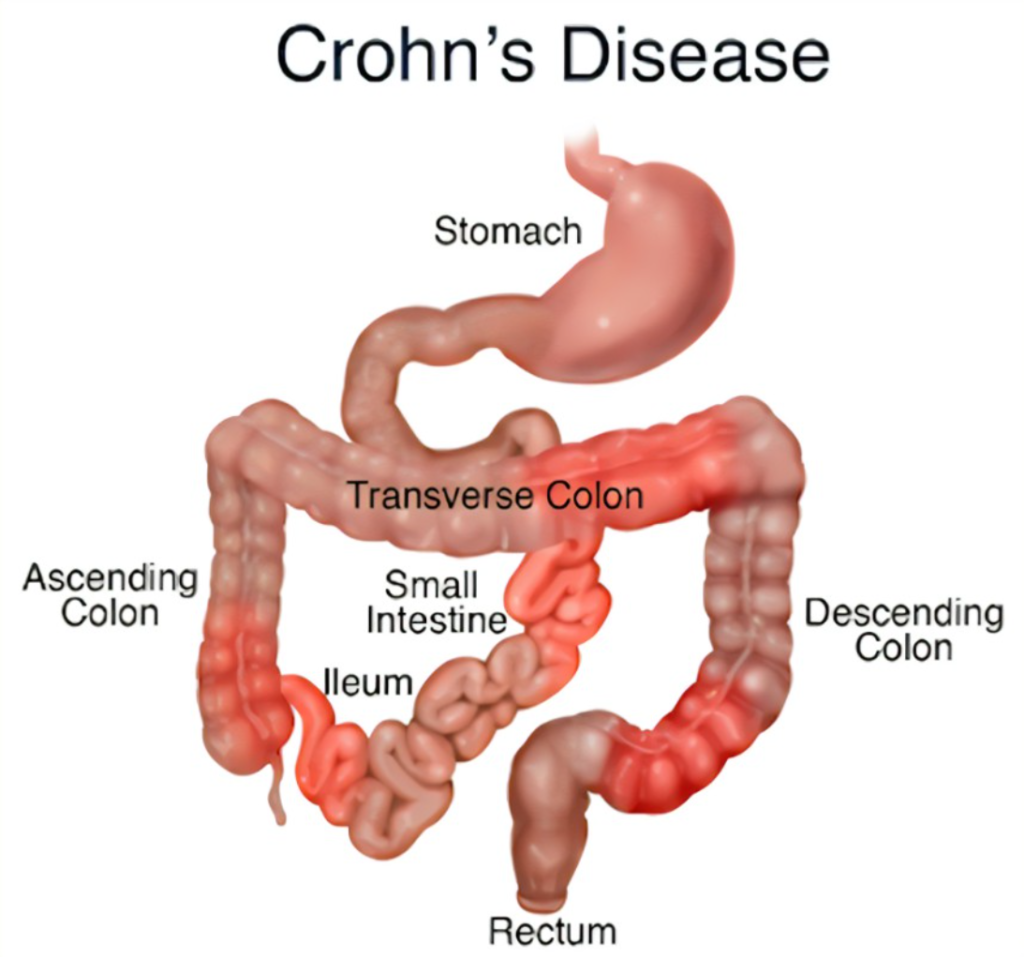
There are normal areas called as skip areas Although ulcerative colitis and Crohn’s disease appear different, it is often not possible to clearly label the disease as one of them, because there are overlapping features. When it is not possible to clearly label the disease as Ulcerative colitis or Crohn’s disease, it is labeled as inflammatory bowel disease, unclassified (IBDU).
How common is inflammatory bowel disease?
What are the symptoms experienced by the patients suffering from inflammatory bowel disease?
The signs and symptoms of ulcerative colitis can vary widely, depending on the severity inflammation and where it occurs. Following symptoms are common
• Diarrhea (frequency varies) i.e. increased bowel frequency
• Continuous
• Intermittent
It is important to note that most common cause of diarrhea is simple infection and not inflammatory bowel disease. In ulcerative colitis, diarrhea is often associated with blood and mucus in stool. Diarrhea in Crohn's less common and it may occur if colon is involved
• Abdominal pain
• Blood in the stool
• Reduced appetite
• Weight loss
• Fever
The course of inflammatory bowel disease varies, with periods of acute illness often alternating with periods of remission (no symptoms). But over time, the severity of the disease usually remains the same. Only a small percentage of people with a milder condition go on to develop more severe signs and symptoms. In Crohn's disease, there is tendency for the inflammation to involve deeper layers of the intestinal wall.